Why Phnom Penh works
Why Phnom Penh works
Phnom Penh is both a destination and a connection point. It is easier when the hotel area is chosen around the next departure, especially for early buses, late flights, or cross-border travel.
Choose the stay area first
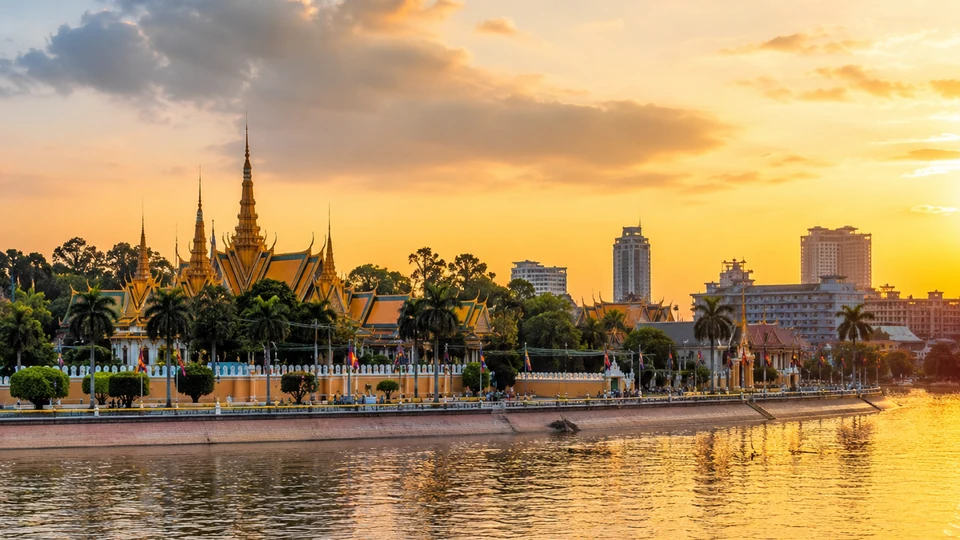
Riverside is central for first-time sightseeing but can be lively. BKK1 is convenient for cafés and longer stays. Tonle Bassac suits dining and nightlife. Daun Penh keeps many landmarks close.
Arrival and onward travel
Phnom Penh is a major hub for domestic buses, international buses, flights, and private transfers. Bus offices and pickup points vary by operator, so the exact address matters more than a generic “Phnom Penh terminal” label.
Getting around
Ride-hailing, tuk-tuks, taxis, and walking handle most visitor journeys. Road conditions and peak traffic can make short map distances take longer than expected.
A low-friction trip structure
- Keep the first day flexible after a long international arrival.
- Group riverfront and central historical sights together.
- Use a separate block for markets, cafés, and neighborhoods farther south.
- Move closer to the departure area only when an early connection truly requires it.
What travelers often miss
Do not schedule a tight connection between an international arrival and a separate bus. Terminal locations, traffic, immigration, and baggage collection can remove the apparent time buffer.
Before you book
- Save the exact bus office or pickup location.
- Allow traffic time before airport and cross-border departures.
- Confirm whether a bus transfer changes vehicles.
- Keep passport and entry documents accessible on international routes.
- Use the provider confirmation—not a map search alone—for boarding details.
Last editorial review: July 2026. Send route corrections through the Contact page.